For decades, blood thinners alone were the standard answer to deep vein thrombosis, or DVT. While medication is still essential for most patients, a newer technique called clot suction, or mechanical thrombectomy, now allows a DVT specialist in Delhi to physically remove a clot in select cases, often leading to faster symptom relief and a lower risk of long-term complications. This blog explains how the procedure works and who actually benefits from it.
Understanding DVT and Why It Needs Prompt Attention
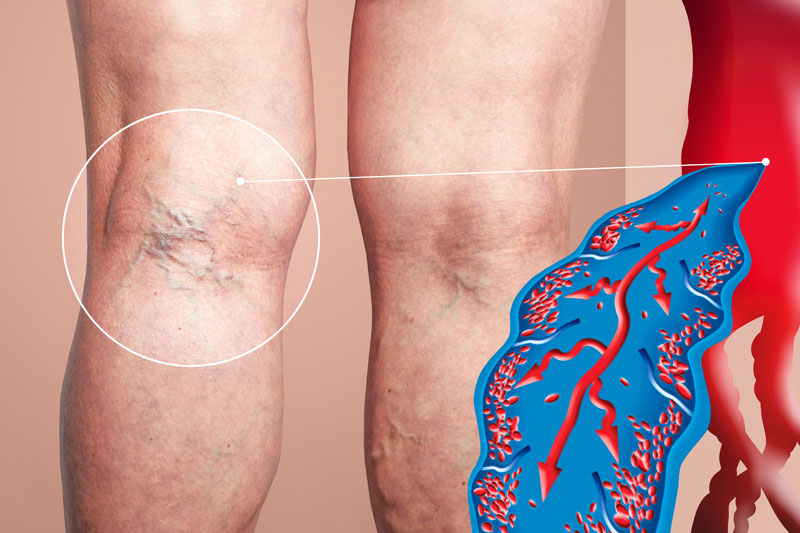
Deep vein thrombosis occurs when a blood clot forms in a deep vein, most commonly in the leg. Left untreated, it can cause persistent leg swelling and pain, and in more serious cases, a piece of the clot can travel to the lungs, causing a potentially life-threatening pulmonary embolism. This is why prompt evaluation by a doctor offering proper DVT treatment in Delhi is so important the moment symptoms appear.
Recognising the Symptoms
- Swelling in one leg, often more noticeable than the other.
- Pain or tenderness, frequently starting in the calf.
- Warmth and redness over the affected area.
- A heavy, achy feeling that worsens with standing or walking.
The Traditional Approach: Blood Thinners Alone
Anticoagulant medication remains the foundation of DVT treatment for most patients. It works by preventing the existing clot from growing larger and stopping new clots from forming, while the body’s own systems gradually break down the clot over weeks to months. This approach works well for many, but recovery can be slow, and some patients are left with long-term swelling or discomfort known as post-thrombotic syndrome.
What Is Clot Suction (Mechanical Thrombectomy)?
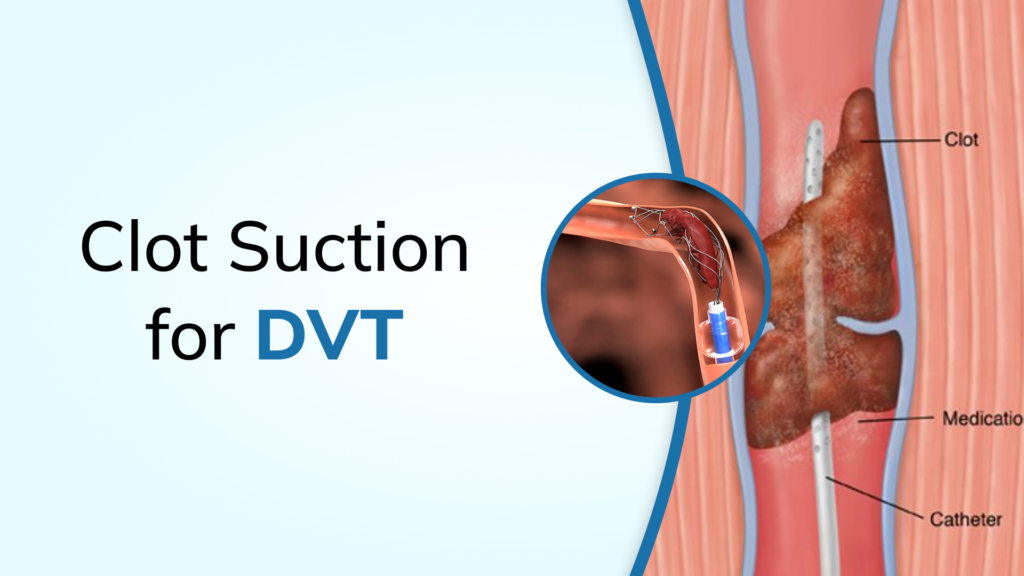
Clot suction is a minimally invasive, catheter-based procedure where a specialised device is guided directly to the clot and used to physically aspirate, or suction out, the blockage. Unlike clot-dissolving medication infused over hours or days, this technique can remove a substantial portion of the clot in a single session, restoring blood flow much faster.
Who Is a Good Candidate for Clot Suction?
Patients With Extensive or Recent Clots
Large clots affecting major veins in the thigh or pelvis, especially when caught within the first two weeks of symptom onset, generally respond best to mechanical removal compared to medication alone.
Patients at Risk of Post-Thrombotic Syndrome
Younger, more active patients who would otherwise face long-term swelling and discomfort from leaving a large clot to dissolve naturally are often good candidates for early intervention.
Patients Who Cannot Tolerate Standard Anticoagulation
In some cases, clot removal becomes especially valuable when blood thinners alone aren’t appropriate or sufficient for the specific clinical picture, requiring a more direct treatment approach.
Benefits Compared to Medication Alone
- Faster relief from swelling and pain, often within days rather than weeks.
- Lower long-term risk of post-thrombotic syndrome in suitable candidates.
- Reduced need for prolonged clot-dissolving drug infusions and their associated bleeding risk.
- Quicker return to normal walking and daily activity for many patients.
What the Procedure and Recovery Involve
Performed under image guidance, the procedure typically takes around an hour, with most patients staying in hospital for a short observation period afterward. Compression stockings and a tailored course of blood thinners are still usually prescribed afterward, since clot suction addresses the existing blockage but does not eliminate the underlying tendency to clot, which still needs management by your vascular surgeon in Delhi.
Choosing the Right DVT Treatment Doctor
Not every DVT case needs mechanical thrombectomy, and choosing the right candidate for the procedure requires careful clinical judgement. The best DVT treatment doctor in Delhi will weigh the clot’s location, age, your overall bleeding risk, and your activity level before recommending whether suction, medication alone, or a combination of both is the right path forward.
Frequently Asked Questions
Is clot suction painful?
The procedure is performed under sedation or local anaesthesia, so most patients experience minimal discomfort during the process itself.
Will I still need blood thinners after clot suction?
Yes, in most cases. The procedure removes the existing clot, but ongoing medication is usually still needed to prevent new clots from forming.
How quickly should DVT be treated after symptoms appear?
DVT should be evaluated as soon as symptoms appear. Mechanical thrombectomy tends to be most effective when performed within the first one to two weeks of clot formation.
Can DVT come back after treatment?
Yes, recurrence is possible, especially without ongoing risk-factor management, which is why follow-up care and sometimes long-term anticoagulation are recommended.
Is clot suction available for clots in the arm as well as the leg?
Yes, mechanical thrombectomy can be used for upper limb DVT as well, though leg DVT remains the most common indication.
Experiencing sudden leg swelling or pain? Don’t wait for symptoms to worsen. Speak with a trusted DVT specialist in Delhi right away. Contact us for an urgent evaluation.