Introduction
Deep Vein Thrombosis, commonly known as DVT, is a serious medical condition in which a blood clot (thrombus) forms in one or more of the deep veins — typically in the legs. If left untreated, DVT can progress to a pulmonary embolism, where the clot travels to the lungs and becomes life-threatening. Despite being a common vascular condition, DVT is frequently misdiagnosed or dismissed as muscle pain, which makes awareness and early evaluation by a qualified DVT specialist in Delhi absolutely essential.
This comprehensive guide explains what DVT is, how it develops, what warning signs to look for, and the most advanced treatment options available today — including modern interventional techniques such as clot suction — all available through the best vascular surgeon in Delhi.
What Causes DVT?
DVT occurs when blood flow through a deep vein slows down or becomes disrupted, leading to clot formation. The medical understanding of DVT is often described through ‘Virchow’s Triad’ — three factors that contribute to clot formation:
- Venous stasis — slowed or stagnant blood flow
- Endothelial injury — damage to the inner lining of the blood vessel
- Hypercoagulability — an increased tendency for blood to clot
Common Triggers
Situations and conditions that can trigger DVT include:
- Prolonged immobility — long-haul flights, bed rest after surgery, or sedentary lifestyle
- Major surgery, particularly of the hip, knee, or abdomen
- Cancer and cancer treatment (chemotherapy)
- Pregnancy and the postpartum period
- Hormonal contraceptives or hormone replacement therapy
- Inherited clotting disorders such as Factor V Leiden mutation
- Obesity and smoking
- Previous history of DVT or pulmonary embolism
Recognising the Symptoms of DVT
One of the challenges with DVT is that up to 50% of cases are asymptomatic. However, when symptoms do appear, they typically include:
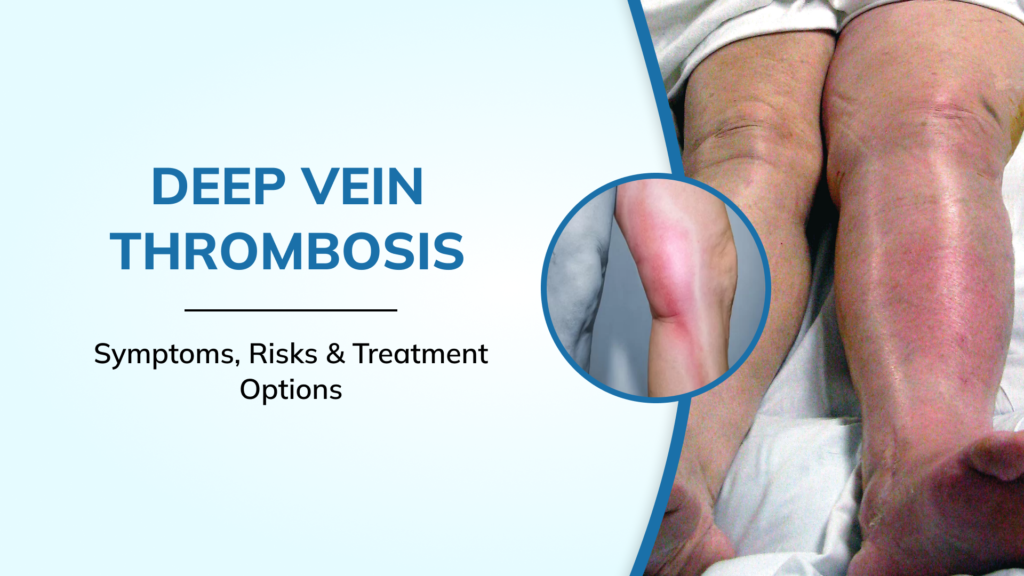
- Swelling in one leg (rarely both)
- Pain or tenderness in the calf, often described as a cramping or soreness
- Warmth over the affected area
- Redness or discolouration of the skin
- Heaviness or aching in the limb
If you develop sudden breathlessness, chest pain, rapid heartbeat, or coughing up blood — these may indicate a pulmonary embolism, a medical emergency. Seek immediate help from the best DVT treatment doctor in Delhi or go to the nearest emergency room without delay.
Diagnosing DVT
Diagnosis is confirmed through a combination of clinical assessment and imaging. The primary diagnostic tool is a Duplex Ultrasound, which can visualise blood flow and detect clots in the deep veins. In complex or uncertain cases, the endovascular surgeon in Delhi may order a CT venography or MRI venography for more detailed imaging. Blood tests such as D-dimer may also be used as a screening tool.
Complications of Untreated DVT
Pulmonary Embolism (PE)
When part of a clot breaks off and travels to the lungs, it can cause a pulmonary embolism — a potentially fatal condition. Pulmonary embolism is a leading cause of sudden death and is directly preventable with timely DVT treatment in Delhi.
Post-Thrombotic Syndrome (PTS)
Post-thrombotic syndrome is a chronic complication affecting 20 to 50% of DVT patients. It occurs when the clot damages the vein’s valves, leading to long-term swelling, pain, heaviness, and skin changes in the affected limb. Advanced DVT treatments that remove the clot rapidly — such as catheter-directed thrombolysis or clot suction — significantly reduce the risk of PTS.
Advanced DVT Treatment Options in Delhi
1. Anticoagulation Therapy
The foundation of DVT treatment is anticoagulation — blood-thinning medication that prevents the clot from growing and reduces the risk of new clots. Options include low molecular weight heparin (LMWH) injections, warfarin, or newer direct oral anticoagulants (DOACs) such as rivaroxaban and apixaban. Treatment duration typically ranges from 3 months to indefinite, depending on the cause and risk of recurrence.
2. Catheter-Directed Thrombolysis (CDT)
For proximal DVT (involving the iliac or femoral veins), catheter-directed thrombolysis is recommended. A catheter is placed directly within the clot, and clot-dissolving medication (thrombolytic) is infused at a high concentration. This technique, available through the best endovascular surgeon in Delhi, offers superior clot clearance compared to systemic anticoagulation alone.
3. Clot Suction for DVT (Mechanical Thrombectomy)
One of the most innovative and effective techniques now available is clot suction for DVT, also known as mechanical thrombectomy. Using specialised suction catheters, the vascular surgeon in Delhi can physically remove the clot from the vein without the need for systemic thrombolytic drugs. This approach is particularly beneficial in:
- Patients at high risk of bleeding (making thrombolysis dangerous)
- Large clot burdens requiring rapid removal
- Iliac or femoral vein DVT threatening limb viability
- Cases where thrombolysis has been partially effective
The use of clot suction for DVT has transformed outcomes — reducing clot burden rapidly, restoring venous function, and dramatically cutting the risk of post-thrombotic syndrome.
4. Inferior Vena Cava (IVC) Filter Placement
In patients who cannot be anticoagulated, an IVC filter — a small, cage-like device — may be placed in the inferior vena cava to intercept any clot fragments before they reach the lungs. This is a temporary measure used by the endovascular surgeon in Delhi in select high-risk patients.
5. Compression Therapy
Medical-grade compression stockings are prescribed post-DVT to reduce swelling, promote venous return, and reduce the risk of post-thrombotic syndrome. They are an integral component of long-term DVT management.
Preventing DVT: Practical Steps
Prevention is always better than treatment. Key preventive measures recommended by a DVT specialist in Delhi include:
- Regular movement and leg exercises during long journeys or bed rest
- Wearing compression stockings during air travel
- Staying well-hydrated
- Maintaining a healthy body weight
- Early mobilisation after surgery
- Using prescribed anticoagulant prophylaxis after major surgery
Why Choose the Best Vascular Surgeon in Delhi?
DVT management requires a specialist who is skilled in both medical anticoagulation and advanced endovascular interventions. The best vascular surgeon in Delhi brings together expertise in catheter-directed thrombolysis, mechanical thrombectomy, IVC filter placement, and long-term vascular surveillance — providing patients with a complete, personalised treatment pathway from diagnosis to recovery.
Conclusion
DVT is a serious but treatable condition. With modern diagnostic tools and advanced interventional techniques such as clot suction and catheter-directed thrombolysis, the outcomes for DVT patients have improved dramatically. If you or someone you know has symptoms consistent with DVT, do not delay seeking evaluation from the best DVT treatment doctor in Delhi. Early treatment saves lives and preserves limb function.
Frequently Asked Questions (FAQs)
Q1: Can DVT resolve on its own?
While small clots may partially resolve over time with the body’s natural fibrinolytic system, DVT rarely fully resolves without medical treatment. Untreated DVT carries serious risks including pulmonary embolism. Always consult a DVT specialist in Delhi.
Q2: How long does DVT treatment take?
Anticoagulation therapy typically lasts 3 to 6 months for provoked DVT and indefinitely for unprovoked or recurrent DVT. Interventional procedures such as clot suction are completed within a single hospital admission.
Q3: Is DVT more common in one leg?
DVT most commonly affects the left leg due to the anatomical position of the left iliac vein, which can be compressed by the right iliac artery (May-Thurner syndrome).
Q4: What is the difference between DVT and varicose veins?
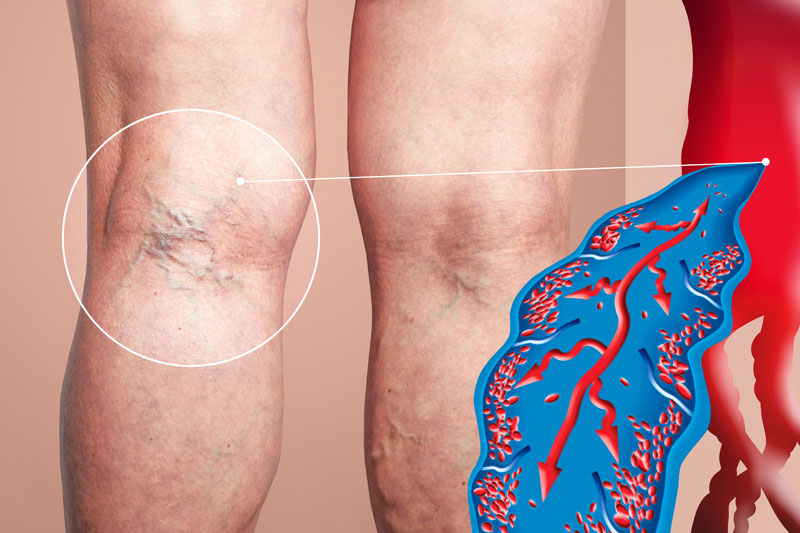
DVT involves clot formation in deep veins and carries a risk of pulmonary embolism. Varicose veins are dilated superficial veins that are generally not life-threatening but can cause discomfort and may require treatment from a varicose veins doctor in Delhi.
Q5: Can I fly after a DVT diagnosis?
Air travel is generally not recommended during the acute phase of DVT. Once adequately anticoagulated and stable, most patients can resume travel with appropriate precautions. Consult the best vascular surgeon in Delhi before planning any travel.
Do not ignore the warning signs of DVT. Consult the best DVT treatment doctor in Delhi today for a comprehensive vascular evaluation. Visit bestvascularsurgeondelhi.com to book your appointment.