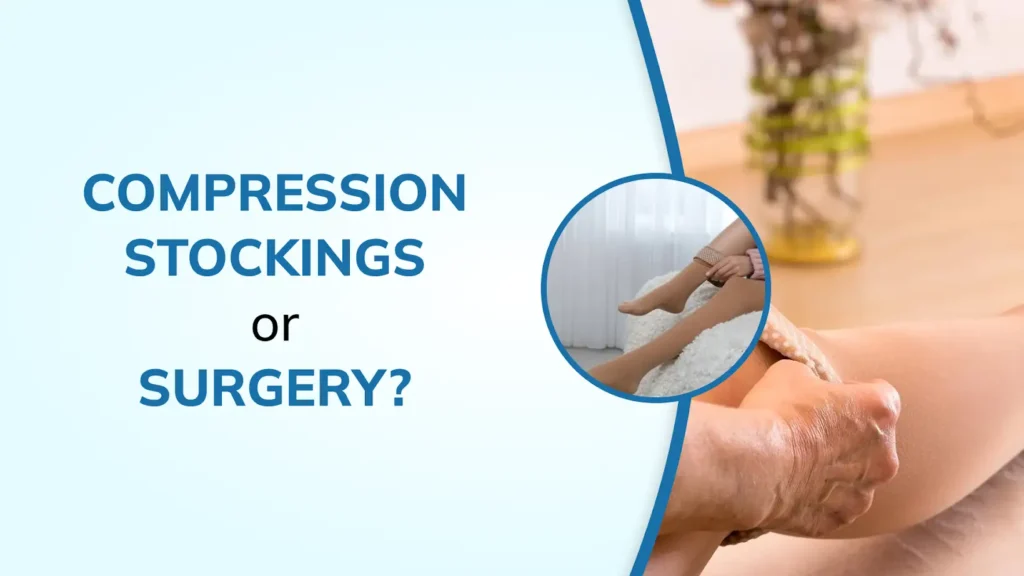
Compression stockings are one of the first recommendations people receive when they notice heaviness, swelling, or visible veins in their legs. They are affordable, easy to use, and genuinely helpful for many patients. But a common question that arises during consultations at Best Vascular Surgeon Delhi is whether stockings alone are a real treatment or simply a way to manage symptoms while the underlying problem continues to progress.
How Compression Stockings Actually Work
Compression stockings apply graduated external pressure to the legs, tightest at the ankle and gradually looser toward the thigh. This pressure helps push blood upward toward the heart and reduces the pooling that causes swelling and discomfort. For people with mild venous insufficiency or those who stand for long hours, stockings can meaningfully reduce daily symptoms and are often recommended alongside guidance from a varicose vein doctor.
What Compression Stockings Cannot Do
While stockings manage symptoms, they do not repair damaged vein valves or eliminate existing varicose veins. The underlying reflux, where blood flows backward due to faulty valves, remains unchanged. This means that once stockings are removed, symptoms like aching and swelling typically return, and the visible veins themselves do not shrink or disappear on their own over time.
When Compression Alone Is Not Enough
If your veins are already bulging, painful, or accompanied by skin discoloration, itching, or ulcers, compression therapy alone is unlikely to resolve the problem. These signs suggest more advanced venous disease that benefits from a proper diagnostic workup, similar to how a suspected clot would require urgent evaluation for deep vein thrombosis treatment rather than home management alone.
Warning Signs That Call for Specialist Care
Persistent pain, rapid worsening of vein appearance, skin changes near the ankle, or a vein that becomes hard, tender, or hot to touch are all signals that you should stop relying on stockings alone and book an appointment with a vascular surgeon promptly. Ignoring these signs can allow the condition to progress and make future treatment more complex.
What a Vascular Surgeon Adds to Your Treatment Plan
A vascular surgeon evaluates the actual cause of your varicose veins using tools such as a venous Doppler ultrasound, which maps blood flow and identifies exactly which valves are failing. Based on these findings, they can recommend minimally invasive procedures such as endovenous laser ablation, radiofrequency ablation, or sclerotherapy, all of which address the root cause rather than simply masking symptoms the way stockings do.
Combining Both Approaches for Best Results
In most successful treatment plans, compression stockings and surgical or minimally invasive care are not competing options but complementary ones. Stockings are often prescribed before and after procedures to support healing and improve long-term outcomes, meaning the two approaches work best together rather than as alternatives to each other.
Special Considerations for Diabetic and High-Risk Patients
Patients with diabetes or poor circulation should be especially cautious about self-managing with compression stockings, since improperly fitted stockings can restrict circulation and worsen foot health. Such patients often benefit from a coordinated evaluation involving both a vein specialist and a diabetic foot surgeon to ensure compression therapy is safe and appropriate for their specific circulatory condition.
What Happens If Venous Disease Is Left Untreated
In rare, long-neglected cases, chronic venous insufficiency can lead to non-healing wounds or severe tissue damage requiring specialised intervention, similar to conditions treated by a gangrene specialist. While this outcome is uncommon, it underscores why symptoms should never be managed indefinitely with stockings alone without a proper medical evaluation.
Making the Right Decision for Your Legs
Compression stockings are a valuable tool, but they work best as part of a broader, medically guided plan rather than a standalone solution. If your symptoms are mild and just beginning, stockings combined with lifestyle changes may be sufficient for now. However, if veins are visible, painful, or worsening, a consultation is the safest next step.
Conclusion
Choosing between compression stockings and surgical evaluation does not have to be an either-or decision. The safest approach is a proper diagnosis first, followed by a treatment plan tailored to your specific condition. To understand your options and get an expert opinion, visit the About Us page and schedule a consultation with a specialist today.