Many people assume that varicose veins only matter once they are visibly bulging or discoloured under the skin. In reality, the body often sends warning signals long before a vein becomes noticeable, and one of the earliest and most overlooked symptoms is persistent leg itching. If your calves, ankles, or thighs feel itchy for no obvious reason, especially after standing or sitting for long periods, it could be an early sign of underlying venous disease that deserves attention from a specialist at Best Vascular Surgeon Delhi.
Understanding Why Itching Happens Before Veins Appear
Itching related to vein disease is medically linked to a condition called venous insufficiency, in which the valves inside your leg veins weaken and allow blood to pool instead of flowing efficiently back to the heart. This pooling increases pressure inside the tiny capillaries near the skin’s surface, triggering inflammation, dryness, and nerve irritation long before a vein becomes twisted or enlarged enough to see. This is very different from the clot-related swelling seen in deep vein thrombosis, though both conditions originate from poor venous circulation and should be evaluated together.
The Role of Skin Changes and Venous Stasis Dermatitis
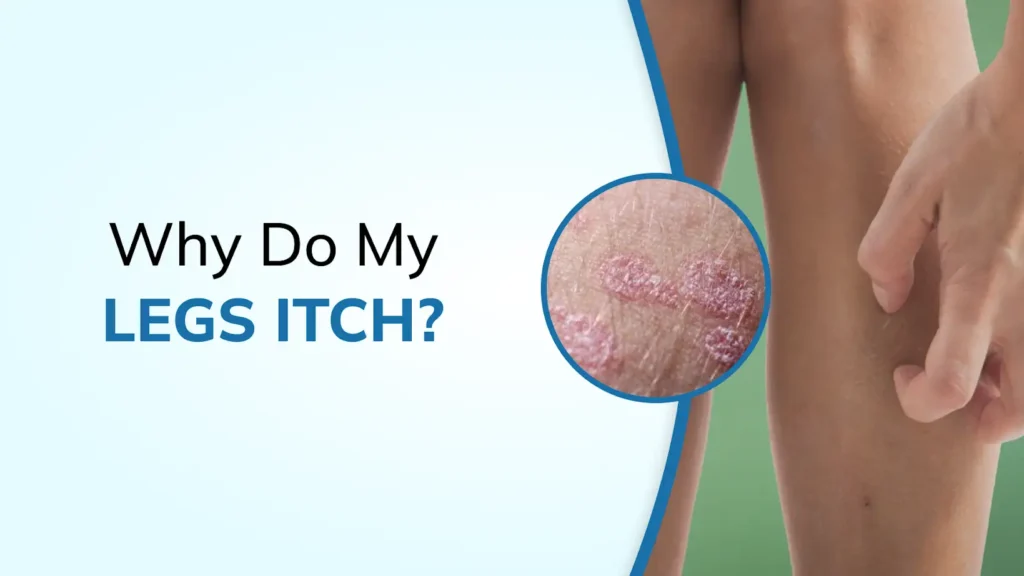
As venous pressure builds over months or years, the skin on the lower legs can become dry, flaky, and inflamed, a condition known as venous stasis dermatitis. This is often the true source of the itching people experience before they ever notice a visible vein. Left untreated, this skin irritation can progress to discoloration, thickening, and even ulceration, which is why early evaluation by a qualified varicose vein doctor is so important rather than simply treating the itch with moisturisers alone.
Other Early Warning Signs of Varicose Veins
Alongside itching, many patients report heaviness in the legs, mild swelling around the ankles by evening, a dull ache after standing, or visible spider veins forming near the surface of the skin. These symptoms frequently appear months before a rope-like varicose vein becomes obvious. Recognising this pattern early allows a vascular specialist to intervene before the condition worsens, which is far more effective than waiting until veins are already enlarged and symptomatic.
Why Itching Should Never Be Ignored
People with diabetes are especially advised not to ignore unexplained leg itching or skin changes, since poor circulation in the lower limbs can also contribute to complications managed by a diabetic foot surgeon. Chronic venous insufficiency and diabetic circulatory issues can overlap, making it essential to have both vein health and foot health assessed together whenever persistent itching or skin discoloration is noticed.
When to See a Vascular Surgeon for Itchy Legs
You should schedule a consultation if the itching is persistent, worsens through the day, is accompanied by skin discoloration, or does not respond to regular moisturising. A vascular surgeon can perform a physical examination and, if needed, a venous Doppler ultrasound to check blood flow and valve function in your leg veins. Early diagnosis often means treatment can be managed with lifestyle changes and minimally invasive procedures rather than more extensive surgery later on.
How Diagnosis Works
Diagnosis typically begins with a detailed history of your symptoms, followed by an ultrasound scan that maps blood flow direction and identifies any valve reflux. This painless test allows the surgeon to confirm whether your itching is related to venous insufficiency or another skin condition entirely, ensuring you receive an accurate and targeted treatment plan rather than guesswork.
Treatment Options Once Venous Insufficiency Is Confirmed
Depending on severity, treatment may range from compression therapy and lifestyle modification to advanced procedures such as endovenous laser ablation or sclerotherapy. In severe or long-standing cases where skin damage has progressed, treatment may also need to address complications similar to those seen in gangrene specialist care, though this is rare and usually only occurs when venous disease is left completely unmanaged for years.
Protecting Your Vein Health Long Term
Simple daily habits such as elevating your legs, avoiding prolonged standing, staying hydrated, and wearing properly fitted compression stockings can significantly reduce itching and slow the progression of venous disease. However, home care should always complement, not replace, professional evaluation, especially if symptoms persist for more than a few weeks.
Conclusion
Itchy legs are rarely just a skin problem; they are often the body’s earliest signal that vein function is beginning to decline. Rather than waiting for varicose veins to become visible and more difficult to treat, it is wise to consult an experienced specialist as soon as symptoms appear. To learn more about the team behind these evaluations, visit the About Us page and book a consultation for a thorough vein health assessment today.