
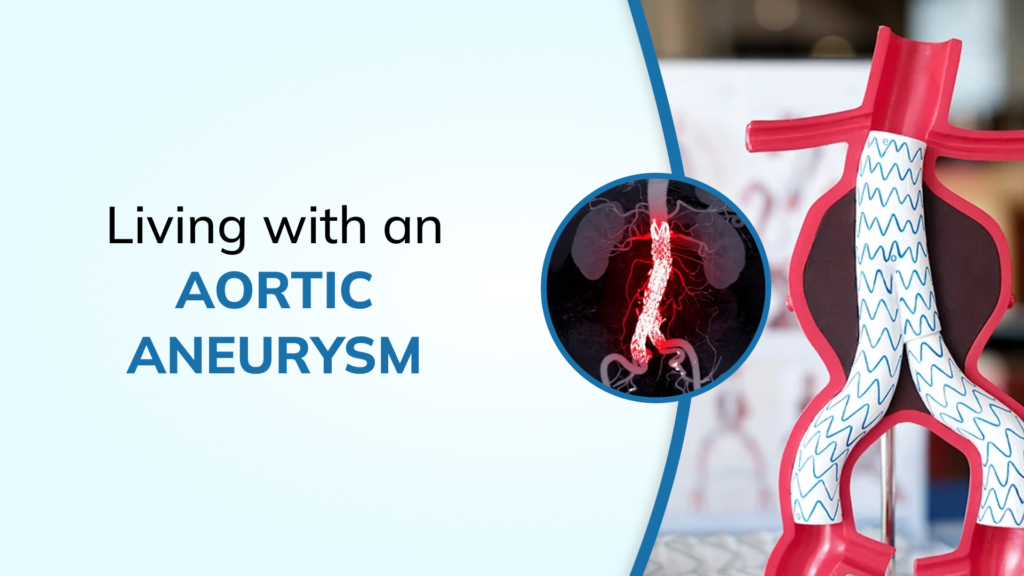
Hearing the word “aneurysm” for the first time can be frightening, but the truth is that most aortic aneurysms are discovered incidentally, during a scan done for something else entirely, and many are managed safely for years through monitoring alone. Understanding how aortic aneurysm treatment decisions are actually made can replace fear with informed confidence. This blog explains how aneurysms are tracked, what increases risk, and when surgery genuinely becomes necessary.
What Is an Aortic Aneurysm?
The aorta is the body’s largest blood vessel, carrying oxygen-rich blood from the heart to the rest of the body. An aneurysm occurs when a section of this vessel wall weakens and bulges outward, much like a worn-out section of a hose. Most commonly found in the abdominal aorta, these bulges can also occur in the chest. The danger lies not in the bulge existing, but in its potential to enlarge over time and eventually rupture.
Why Most Aneurysms Are Found Incidentally
Small to moderate aneurysms typically cause no symptoms at all, which is why they are so often picked up during an ultrasound or CT scan ordered for an unrelated reason. This is also why screening matters for at-risk groups, since waiting for symptoms to appear often means the aneurysm has already grown significantly.
Who Is at Higher Risk?
- Men over the age of sixty-five, particularly with a history of smoking.
- Individuals with a family history of aortic aneurysm.
- People with long-standing high blood pressure or high cholesterol.
- Patients with other vascular conditions affecting blood vessel walls.
How Aneurysms Are Monitored
Once detected, the size of the aneurysm determines the monitoring schedule. Small aneurysms are typically rechecked with an ultrasound every six to twelve months, simply to track growth rate over time. As the aneurysm approaches a size where rupture risk increases meaningfully, monitoring intervals shorten, and the conversation with your best vascular surgeon in Delhi naturally shifts toward planning for elective repair before an emergency situation can develop.
Warning Signs That Require Immediate Attention
- Sudden, severe abdominal or back pain.
- A pulsating sensation in the abdomen, particularly if it becomes painful.
- Sudden dizziness, fainting, or a rapid drop in blood pressure.
- Any combination of severe pain with a known aneurysm history demands emergency evaluation immediately.
When Does Surgery Become Necessary?
Surgical repair is generally recommended once an aneurysm reaches a size where the risk of rupture outweighs the risks of the procedure itself, or if it is growing unusually fast even at a smaller size. Two main approaches exist: open surgical repair, which involves replacing the weakened section with a graft, and endovascular aneurysm repair, a minimally invasive technique where a stent graft is placed from inside the blood vessel through small incisions in the groin.
Comparing Open Repair and Endovascular Repair
Open Surgical Repair
This traditional approach involves a larger incision and a longer hospital stay and recovery period, but offers a very durable, long-lasting result, making it suitable for certain anatomical situations where endovascular repair isn’t ideal.
Endovascular Aneurysm Repair (EVAR)
Performed by an experienced endovascular surgeon through small incisions, this approach generally means less blood loss, a shorter hospital stay, and quicker return to normal activity, though it requires periodic imaging follow-up to confirm the stent graft continues to function well over time.
Living Well With a Monitored Aneurysm
For those whose aneurysm hasn’t yet reached the threshold for surgery, day-to-day life can largely continue as normal, with attention to controlling blood pressure, quitting smoking if applicable, and keeping every scheduled scan, since consistent monitoring is what keeps a small aneurysm from becoming a sudden emergency.
Frequently Asked Questions
Can an aortic aneurysm shrink on its own?
No, aneurysms do not shrink once formed. The goal of monitoring and treatment is to prevent further growth and rupture, not reversal.
Is every aortic aneurysm an emergency?
No. Many small aneurysms are safely monitored for years. Emergencies arise specifically with sudden severe pain or signs of rupture, which require immediate care.
How is the right time for surgery decided?
Your surgeon weighs the aneurysm’s size, growth rate, location, and your overall health to decide whether elective repair is safer than continued monitoring.
Does EVAR eliminate the need for future check-ups?
No, patients who undergo EVAR still need periodic imaging to ensure the stent graft remains properly positioned and functioning over the years.
Can lifestyle changes slow aneurysm growth?
Controlling blood pressure and quitting smoking can help reduce the rate of growth, though they cannot eliminate an existing aneurysm.
Recently diagnosed with an aortic aneurysm, or due for a screening scan? Get expert guidance from a recognised best vascular surgeon in India. Contact us to discuss monitoring or treatment options.