One of the most common questions patients ask at Best Vascular Surgeon Delhi is whether it is safe, and even beneficial, to keep walking and exercising despite having varicose veins. The good news is that not only is walking safe for most people with varicose veins, it is actively recommended as one of the best ways to support healthy circulation and reduce symptoms.
Why Walking Helps Varicose Veins
Walking activates the calf muscle pump, a natural mechanism that squeezes the deep veins in your legs with every step, helping push blood upward toward the heart. This reduces pooling and pressure in the superficial veins, which is exactly the mechanism that becomes impaired in people with venous insufficiency and visible varicose veins. Regular walking can meaningfully ease heaviness, swelling, and aching over time.
How Much Walking Is Enough
Most vascular surgeons recommend at least twenty to thirty minutes of brisk walking most days of the week. Consistency matters more than intensity, so breaking walks into two shorter sessions throughout the day can be just as effective as one longer session, particularly for people who also spend long hours sitting or standing at work.
Best Exercises Beyond Walking
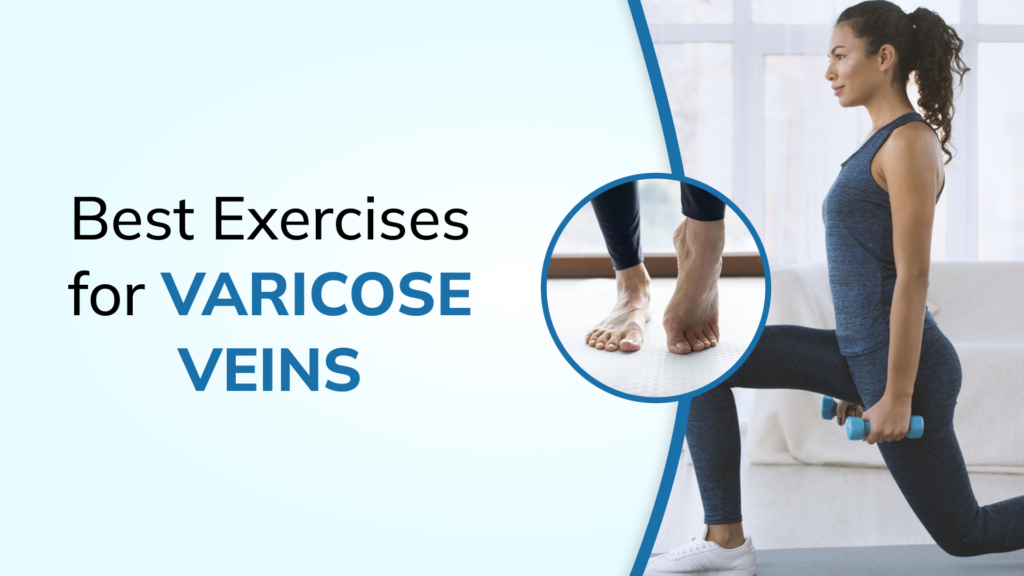
In addition to walking, several other low-impact exercises are excellent for vein health. Cycling, whether outdoors or on a stationary bike, strengthens calf muscles without placing excessive strain on the joints. Swimming is particularly beneficial because water pressure provides a natural compression effect while keeping the body cool and reducing swelling.
Calf Raises and Ankle Pumps
Simple exercises like calf raises and ankle pumps can be done even while sitting at a desk or standing in one place, making them ideal for people in professions that limit movement throughout the day. These small, repeated contractions help maintain venous return and are often recommended as a complement to longer walks or workouts.
Exercises to Approach with Caution
While most forms of exercise are beneficial, activities involving heavy weightlifting, prolonged static standing, or high-impact strain, such as certain forms of intense running on hard surfaces, may increase pressure in the legs for people with more advanced varicose veins. It is wise to discuss your specific exercise routine with a vein specialist, especially if you already have visible or symptomatic veins.
Exercising Safely If You Have a History of Clotting
Patients with a prior history of blood clots should be particularly careful and consult their doctor before starting a new exercise routine, since certain conditions related to deep vein thrombosis require tailored activity guidance rather than generic exercise advice.
Combining Exercise with Compression Therapy
Wearing compression stockings during exercise, particularly during longer walks or standing workouts, can enhance the benefits of the calf muscle pump and further reduce venous pressure. This combination is especially useful for people who are also managing early-stage varicose veins alongside an active lifestyle.
Exercise Considerations for Diabetic Patients
People with diabetes should pay close attention to proper footwear and foot care while increasing their activity levels, since poor circulation can affect wound healing in the feet. Coordinating an exercise plan with both a vein specialist and a diabetic foot surgeon ensures that increased activity supports overall vascular health safely.
When Exercise Alone Is Not Enough
While exercise significantly helps manage symptoms and slow disease progression, it cannot reverse existing valve damage or eliminate already-formed varicose veins. If exercise and lifestyle changes are not reducing your symptoms, or if veins continue to enlarge, a full evaluation including a venous Doppler ultrasound may be necessary to determine if a minimally invasive procedure is appropriate.
Why Ignoring Symptoms During Exercise Is Risky
Continuing intense activity while ignoring worsening pain, sudden swelling, or skin changes can allow underlying venous disease to progress unnoticed. In rare, severely neglected cases, chronic vein disease can contribute to tissue complications similar to those managed by a gangrene specialist, making it important to listen to your body rather than pushing through concerning symptoms.
Building a Sustainable Vein-Friendly Exercise Routine
The best exercise routine for varicose veins is one that is consistent, low-impact, and combined with healthy habits such as leg elevation, proper hydration, and periodic movement breaks throughout the day. Over time, these habits work together to support circulation and reduce the likelihood of symptoms worsening.
Conclusion
Walking and other low-impact exercises are among the most effective, accessible tools for managing varicose vein symptoms and supporting long-term vein health. However, exercise works best as part of a broader plan that includes professional evaluation when needed. To discuss a personalised activity and treatment plan, visit the About Us page and schedule a consultation today.