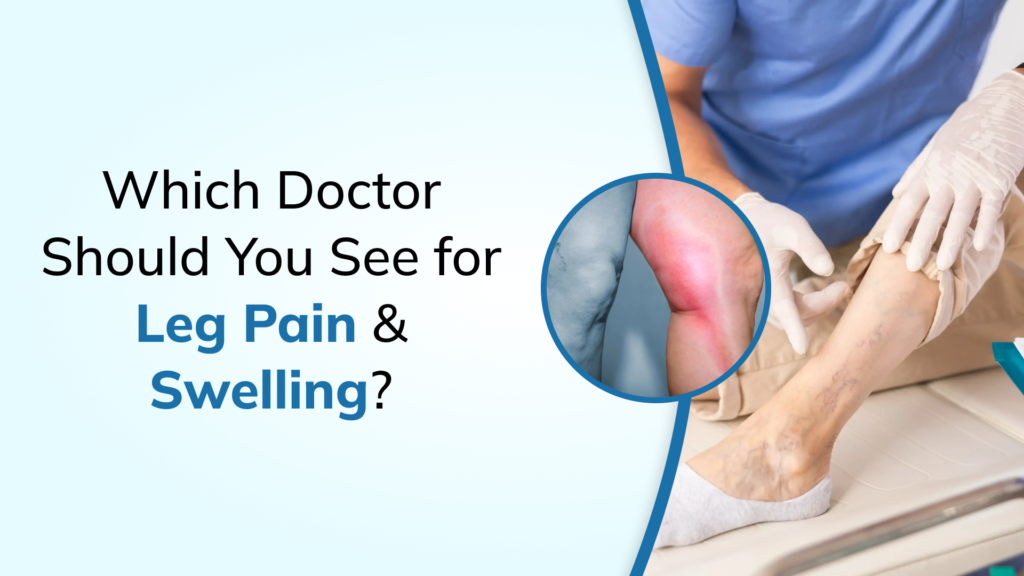
Leg pain, swelling, and circulatory problems in the lower limbs are among the most common reasons patients visit a doctor — and among the most frequently misrouted through the healthcare system. A patient with classic peripheral artery disease ends up with an orthopaedic surgeon. A patient with deep vein thrombosis spends weeks on anti-inflammatory medication from a general physician. A patient with critical limb ischaemia gets a dermatology referral for a non-healing ulcer. These are not hypothetical scenarios; they are patterns that vascular specialists encounter regularly, and the delays they create genuinely worsen outcomes.
This guide is designed to end that confusion. It maps the most common leg complaints directly to the right specialist, explains what each type of specialist does and does not handle, and gives patients and caregivers the language to advocate confidently for the correct referral. Choosing the right doctor from the outset — ideally a Best Vascular Surgeon In Delhi for the full spectrum of arterial and venous leg disease — is the single most important decision in ensuring efficient, effective treatment.
The Core Specialists Involved in Leg Complaints — And What Each One Does
Vascular Surgeon
A vascular surgeon specialises in diseases of arteries and veins throughout the body, excluding the heart and brain. In the context of leg complaints, a vascular surgeon diagnoses and treats peripheral artery disease, varicose veins and chronic venous insufficiency, deep vein thrombosis, diabetic foot complications with vascular involvement, gangrene, and aortic disease. Modern vascular surgeons, particularly those with endovascular training, perform both open surgical and minimally invasive catheter-based procedures, making them the most comprehensively equipped specialist for the full spectrum of leg vascular problems.
Endovascular Surgeon
An endovascular surgeon has specialised training in catheter-based, image-guided procedures performed inside blood vessels through small puncture sites rather than open incisions. This includes peripheral artery angioplasty and stenting, clot suction for DVT, endovenous laser ablation for varicose veins, AV fistula angioplasty for dialysis patients, aortic aneurysm stent-graft procedures, and AV malformation treatment. Many vascular surgeons today are also trained endovascular surgeons, providing a combined skill set that covers both surgical and catheter-based approaches in the same consultation.
Interventional Radiologist
Interventional radiologists also perform image-guided endovascular procedures and frequently overlap with endovascular surgeons in treating peripheral artery disease and venous conditions. The key difference is that interventional radiologists are primarily radiologists who have extended into procedural practice, while endovascular surgeons are trained surgeons who perform the same endovascular procedures within a broader surgical clinical context. Both are highly skilled for image-guided interventions; the choice between them often depends on local availability and specific procedural expertise.
Orthopedic Surgeon
An orthopedic surgeon deals with bones, joints, cartilage, tendons, and ligaments. Orthopedic surgeons are the right choice for knee arthritis, hip pain, ankle fractures, plantar fasciitis, and musculoskeletal injuries. They are not the appropriate specialist for vascular leg conditions, though the distinction is clinically important because musculoskeletal leg pain and vascular leg pain can superficially resemble each other.
General Physician or Internal Medicine Specialist
A general physician is an excellent first point of contact for almost any medical complaint, including leg pain and swelling, and can initiate appropriate investigations and referrals. However, for confirmed or strongly suspected vascular conditions, direct referral to a vascular specialist is more efficient than management by a general physician who may not have the specialist imaging and procedural skills required.
Dermatologist
Dermatologists are appropriate for skin conditions of the legs — eczema, psoriasis, fungal infections, and early superficial skin changes. However, venous leg ulcers and ischaemic ulcers arising from vascular disease are primarily vascular problems that require vascular specialist input alongside any wound care. A dermatologist managing a vascular ulcer without a concurrent vascular assessment is managing the symptom while missing the cause.
Which Doctor for Specific Leg Complaints — A Practical Guide
Leg Pain That Comes on During Walking and Goes Away With Rest
This pattern — intermittent claudication — is the hallmark of peripheral artery disease. The right specialist is a vascular surgeon or endovascular surgeon for arterial assessment, duplex imaging, and treatment planning. A general physician is an appropriate first contact but should refer promptly. An orthopaedic surgeon is the wrong first referral unless musculoskeletal causes have been specifically confirmed. Read more about this symptom pattern in our article on why leg pain appears only during walking.
Leg Swelling — Unilateral or Bilateral
Unilateral leg swelling — swelling in one leg only — is a red flag for deep vein thrombosis until proven otherwise, requiring urgent duplex venous ultrasound. A DVT specialist in Delhi or a vascular surgeon with duplex scanning capability is the appropriate urgent referral. Bilateral leg swelling is more commonly cardiac, renal, or nutritional in origin and may begin with a general physician or cardiologist assessment, though venous insufficiency causing bilateral oedema also warrants vascular evaluation.
Visible Twisted or Bulging Veins on the Legs
Varicose veins are a venous condition managed by a varicose veins doctor in Delhi — either a vascular surgeon with endovenous expertise or a phlebologist. Treatment ranges from lifestyle and compression to endovenous laser ablation, foam sclerotherapy, or surgery depending on disease severity. Neither an orthopaedic surgeon nor a dermatologist is the appropriate primary specialist for this condition.
Non-Healing Wound or Ulcer on the Foot or Lower Leg
A wound that has not healed within the expected timeframe requires vascular assessment as a priority, alongside wound care specialist involvement. In a diabetic patient, urgent referral to both a diabetic foot surgeon in Delhi and a vascular surgeon is appropriate, since both arterial disease and peripheral neuropathy typically contribute to wound failure. In a non-diabetic patient with a non-healing wound, vascular assessment is equally critical and should not be deferred.
Blackening or Tissue Death in the Toes or Foot
Gangrene — whether wet, dry, or gas gangrene — is a vascular emergency. The correct immediate referral is to a gangrene specialist in Delhi with vascular and endovascular expertise. Dermatology, general surgery, or orthopaedic referral without concurrent vascular input in this setting significantly worsens limb salvage outcomes.
Sudden Severe Leg Pain With Pallor, Coldness, and Loss of Pulse
Sudden onset of severe leg pain accompanied by pallor, coldness, and absent pulses in a previously normal leg suggests acute arterial occlusion — either embolism or acute thrombosis — and is a surgical emergency requiring same-day vascular surgeon review. This presentation should prompt emergency department attendance and immediate vascular specialist alerting, not a routine outpatient appointment.
Blood Clot in the Leg (Known or Suspected DVT)
Confirmed or strongly suspected DVT — with leg swelling, warmth, tenderness, and a positive duplex ultrasound — should be managed by a Best DVT Treatment Doctor In Delhi with experience in anticoagulation management and, for high clot burden or phlegmasia (massive DVT), catheter-directed thrombolysis or clot suction techniques. A general physician can initiate anticoagulation while awaiting specialist review, but complex DVT cases should be co-managed with a vascular specialist.
Dialysis Access Problems — Poor Flow or Clotted Fistula
Haemodialysis patients experiencing inadequate flow through their arteriovenous fistula, or a recently clotted fistula, require prompt referral to an endovascular surgeon with specific AV fistula angioplasty experience. This is a specialised subfield within endovascular practice and should not be managed by a general surgeon without specific vascular access training.
Aortic Aneurysm Surveillance or Treatment
Patients with a known aortic aneurysm — or referred following incidental detection on an abdominal scan — should be managed by a vascular surgeon with specific aortic experience. Aortic aneurysm treatment, whether by open surgical repair or endovascular stent-graft (EVAR), requires dedicated expertise and imaging planning distinct from peripheral artery interventions.
Red Flags That Always Require Urgent Vascular Assessment
- Sudden loss of pulse, pallor, and cold limb — possible acute arterial occlusion.
- Rapidly expanding blackening of toes or foot — possible acute ischaemia or wet gangrene.
- Severe unilateral leg swelling with calf tenderness after surgery, travel, or prolonged immobility — possible DVT with pulmonary embolism risk.
- Foot pain at rest, especially at night, that requires the leg to be hung over the bed for relief — rest pain suggesting critical limb ischaemia.
- Pulsating abdominal mass, particularly with back pain — possible aortic aneurysm requiring emergency assessment.
Why Vascular Surgeons Are Often the Best Single Point of Contact
For the wide majority of leg vascular complaints — arterial disease, venous disease, diabetic foot vascular complications, DVT, and access problems — a vascular surgeon provides the broadest diagnostic scope and the most complete treatment range under a single specialist relationship. Rather than navigating separately between an orthopaedic surgeon for walking pain, a dermatologist for a skin change, and a general physician for swelling, a single consultation with a vascular surgeon can assess, image, and develop a unified treatment plan for all concurrent vascular contributors to a patient’s leg problem.
This is also why understanding the specific conditions that vascular surgeons treat — including varicose vein recurrence after laser treatment, blocked arteries and their warning signs, poor circulation in non-diabetic patients, and leg angioplasty outcomes — helps patients arrive at their first vascular consultation with a clearer picture of their own condition and better-informed questions for their surgeon.
How to Prepare for Your First Vascular Consultation
- Bring a list of all current medications, including anticoagulants, blood pressure drugs, diabetes medication, and aspirin.
- Note the exact character of your leg symptoms — is it pain, swelling, skin change, or a wound? Is it constant or activity-related? How long has it been present?
- Bring any previous investigation reports — blood tests, Doppler scans, X-rays, or CT reports — even if from years ago.
- Note your complete cardiovascular history — heart attacks, strokes, previous vascular procedures, and family history of arterial disease.
- Be prepared to describe your smoking history accurately, including pack years and duration of cessation if applicable.
Frequently Asked Questions
Should I see a vascular surgeon before or after seeing my general physician?
For mild, non-urgent symptoms, seeing your general physician first is reasonable. For any of the red flag symptoms described above, direct presentation to a vascular specialist or emergency department is more appropriate and can significantly reduce the time to treatment.
Is a vascular surgeon the same as a cardiac surgeon?
No. Cardiac surgeons operate on the heart. Vascular surgeons operate on arteries and veins throughout the body excluding the heart. Some vascular problems — such as aortic arch aneurysms — require collaboration between both specialties, but their core training and practice are distinct.
Can a vascular surgeon treat both arterial and venous problems?
Yes. Modern vascular surgeons manage the full spectrum of both arterial disease (PAD, aneurysms, acute ischaemia) and venous disease (varicose veins, DVT, venous insufficiency), making them the most broadly appropriate specialist for the majority of leg vascular complaints.
What is the difference between a vascular surgeon and an endovascular surgeon?
An endovascular surgeon is a vascular surgeon with additional specific training in catheter-based, image-guided procedures performed inside blood vessels. Many contemporary vascular surgeons are dual-trained in both open surgical and endovascular techniques, offering patients access to the full range of modern treatment options within a single specialist relationship.
How do I know if my leg pain is vascular or musculoskeletal?
Walking-related leg pain that clears within five minutes of rest, combined with absent pulses on examination, strongly suggests a vascular cause. Constant pain that is worse with movement in all directions, associated with specific joint tenderness, suggests musculoskeletal disease. When in doubt — and doubt is common since both conditions can coexist — a vascular assessment is safe, non-invasive, and can be completed in a single appointment. Our article on walking-related leg pain describes the distinguishing features in practical detail.
Is there a specific DVT specialist I should see, or can any doctor manage a blood clot?
A general physician can initiate anticoagulation for a straightforward DVT, but a Best DVT Treatment Doctor In Delhi with vascular expertise is essential for extensive or high-risk DVT, phlegmasia (massive limb-threatening clot), and cases where catheter-directed thrombolysis or clot suction is being considered.
Conclusion
Navigating the healthcare system with a leg complaint is genuinely confusing when multiple specialties overlap and symptoms do not always announce their cause clearly. The single most reliable principle is this: for any leg problem involving pain during walking, swelling of one leg, skin colour or temperature changes, a non-healing wound, visible varicose veins, or any suspicion of blocked arteries or blood clots — a vascular surgeon is the correct specialist. This is not a narrow slice of vascular medicine; it covers the vast majority of serious leg complaints that patients present with, and a single vascular consultation can effectively triage, investigate, and plan treatment for all of them.
Book Your Vascular Consultation Today
Stop waiting for symptoms to worsen or for multiple misrouted referrals to resolve. Contact our vascular surgery team in Delhi directly for a comprehensive assessment — or browse our procedure gallery to understand the range of conditions we treat and the outcomes our patients achieve.