If your job requires you to stand for hours at a time, you are not alone in noticing tired, heavy, or aching legs by the end of the day. Teachers, nurses, retail staff, salon professionals, and factory workers are among the groups most frequently seen at Best Vascular Surgeon Delhi for early signs of vein trouble, simply because prolonged standing places continuous strain on the veins in the lower legs.
Why Standing All Day Increases Varicose Vein Risk
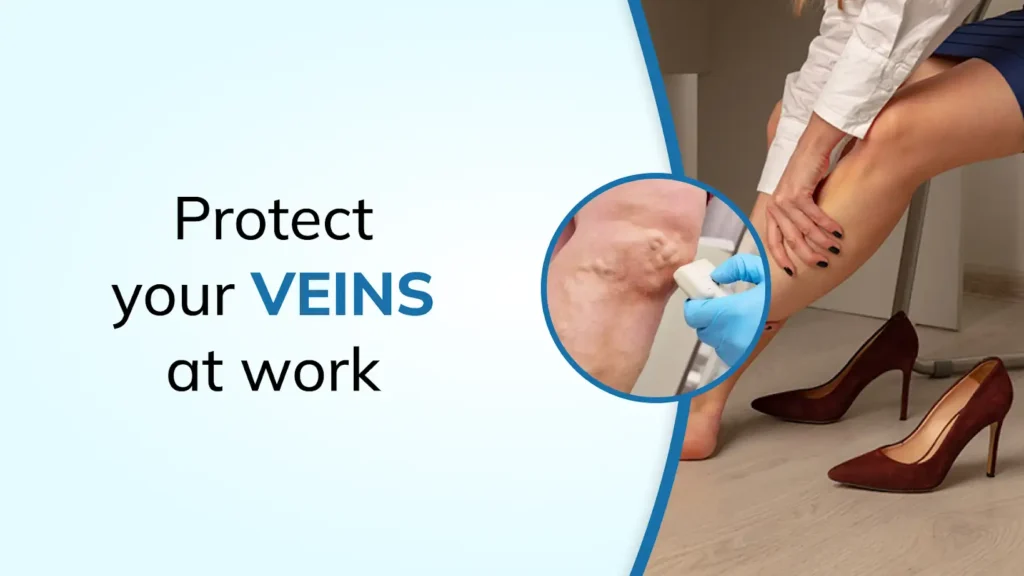
When you stand for extended periods, gravity works against your circulation, forcing the veins in your legs to work harder to push blood back up to the heart. Over months and years, this constant pressure can weaken the tiny one-way valves inside the veins, allowing blood to pool and eventually leading to visible, bulging varicose veins. This is why occupations involving long standing hours show significantly higher rates of venous disease.
Who Is Most at Risk
Nurses who spend twelve-hour shifts on their feet, teachers who stand throughout classes, and retail employees who are rarely permitted to sit are especially vulnerable. Hairdressers, chefs, and assembly line workers face similar risks. If your profession keeps you upright for more than six hours a day, it is worth paying closer attention to early symptoms such as swelling, heaviness, or aching before they progress further.
Early Symptoms to Watch For
Common early warning signs include ankle swelling by evening, a dull ache that worsens through the shift, visible spider veins, and a feeling of heaviness that improves with rest. These symptoms often mirror the early circulatory changes seen in patients later diagnosed with venous insufficiency, and in some cases can overlap with risk factors for deep vein thrombosis, particularly during long shifts with limited movement.
Practical Steps to Protect Your Veins at Work
Small changes can make a meaningful difference. Try shifting your weight periodically, taking short walking breaks every hour, performing calf raises while stationary, and avoiding standing in one fixed position for too long. Wearing supportive, well-fitted footwear rather than flat unsupportive shoes also reduces strain on the calf muscles that assist venous return.
The Role of Compression Stockings for Standing Professionals
Graduated compression stockings are especially useful for people whose jobs demand long hours on their feet. They support vein walls and reduce pooling throughout the workday. Many professionals in high-standing roles are advised by their doctors to wear medical-grade compression stockings as a preventive measure, particularly if they already notice early symptoms of vein strain.
Diet, Hydration, and Weight Management
Maintaining a healthy weight reduces pressure on leg veins, while proper hydration keeps blood at an optimal consistency for circulation. A diet rich in fiber and low in excess sodium can also help minimise swelling, especially for those already prone to fluid retention from long standing hours.
When Standing-Related Symptoms Need Medical Attention
If leg pain, swelling, or visible veins persist even after implementing these preventive measures, it is time to consult a vascular specialist. A proper evaluation, often including a venous Doppler ultrasound, can determine whether your symptoms stem from simple fatigue or an underlying vein condition that requires treatment.
Why Diabetic Workers Should Be Extra Cautious
Standing professionals who also manage diabetes face a compounded risk, since poor circulation can affect both vein health and foot health simultaneously. Regular check-ins with a diabetic foot surgeon alongside vein care can help catch complications early and prevent more serious issues from developing.
Long-Term Consequences of Ignoring Occupational Vein Strain
Left unmanaged for years, chronic venous strain from standing occupations can progress to skin changes, ulcers, or in severe untreated cases, tissue complications similar to those addressed by a gangrene specialist. While rare, this progression highlights why early prevention and timely medical consultation matter far more than pushing through discomfort.
Building a Sustainable Routine for Vein Health
Combining movement breaks, supportive footwear, compression wear, and regular check-ups creates a sustainable routine that protects your veins over a long career. Employers in healthcare, education, and retail are increasingly recognising the value of allowing brief seated breaks, which can meaningfully reduce long-term vein-related health costs for their staff.
Conclusion
Standing all day does not have to mean sacrificing your vein health. With the right preventive habits and timely professional guidance, teachers, nurses, and retail workers can significantly reduce their risk of developing varicose veins. To learn more about the specialists who can help, visit the About Us page and schedule a vein health assessment today.