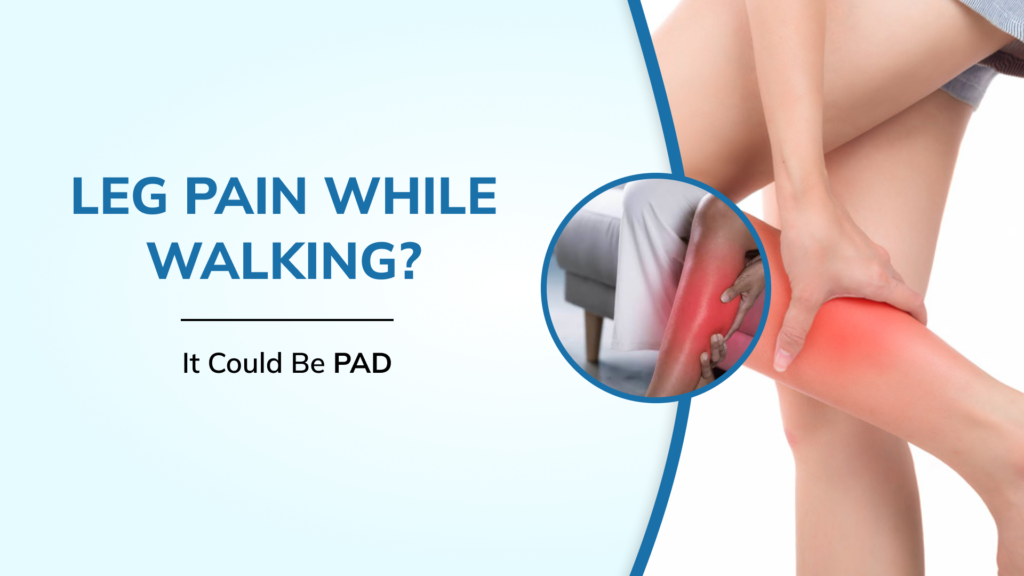
A pattern of leg pain that appears after walking a certain distance, then disappears within a few minutes of stopping to rest, is one of the most diagnostically specific symptoms in vascular medicine. Patients describe it in different ways — a cramp in the calf, a tightness in the thigh, an aching in the buttock — but the consistent feature is this: activity brings it on, rest relieves it, and the same distance reliably triggers it every time. This pattern has a name: intermittent claudication, and it is the hallmark early symptom of Peripheral Artery Disease (PAD).
PAD is underdiagnosed across India, partly because many patients assume walking pain is a normal part of ageing or attribute it to muscle strain. It is neither. If you are experiencing this pattern of discomfort, a consultation with a Vascular Surgeon In Delhi can confirm or rule out arterial disease quickly and accurately, often without invasive testing.
What Is Peripheral Artery Disease?
Peripheral Artery Disease is a form of atherosclerosis — the same disease process that causes heart attacks and strokes — affecting the arteries of the legs, and sometimes the arms. In PAD, fatty deposits, calcium, and inflammatory cells gradually build up inside the artery walls, narrowing the lumen through which blood flows. During rest, the reduced blood flow through these narrowed arteries is often just sufficient to meet the baseline demands of resting leg muscles. The moment you begin walking, the working muscles demand a significant increase in blood flow, and the narrowed arteries simply cannot deliver it.
This mismatch between oxygen supply and muscle demand during activity is what causes the characteristic cramping pain of claudication. When you stop walking, the muscles’ demand drops back to resting level, the modest blood flow through the narrowed vessel catches up, and the pain clears — typically within two to five minutes. The cycle then repeats on the next bout of walking.
Why This Pattern Is Different From Other Causes of Leg Pain
Many patients spend considerable time trying to self-diagnose walking-related leg pain, assuming it might be a muscle injury, a nerve problem, or arthritis. Understanding what makes PAD different is important:
- PAD pain is consistently reproducible — it comes on after approximately the same walking distance every time.
- PAD pain almost always clears within five minutes of standing still, without needing to sit or lie down.
- PAD pain does not typically appear at night in the early stages, unlike nerve pain or restless legs.
- PAD pain is not worsened by simply moving the leg while sitting still — only weight-bearing walking triggers it.
- The location of pain roughly maps to the level of arterial blockage — calf pain points to below-knee or popliteal disease, thigh or buttock pain suggests iliac or femoral artery involvement.
Our detailed guide on blocked arteries in the legs and their early warning signs covers additional symptoms that often accompany claudication, which can help patients build a clearer picture of their overall vascular health before their first appointment.
Who Is at Risk of Developing PAD?
PAD is closely linked to the same risk factors that drive coronary artery disease and stroke. Patients with diabetes are at substantially elevated risk and often develop PAD at an earlier age and with more aggressive disease progression. Smokers, both current and former, carry a significantly higher lifetime risk of PAD than non-smokers. Hypertension and elevated LDL cholesterol damage arterial walls over time, accelerating plaque formation. Sedentary lifestyle, central obesity, and chronic kidney disease also independently increase PAD risk.
One important and widely misunderstood point is that PAD frequently develops in people who do not have diabetes. Our companion article on poor blood circulation without diabetes explores this in detail, since many patients mistakenly believe arterial disease is exclusively a diabetic complication and delay seeking vascular assessment as a result.
How PAD Progresses If Left Untreated
Early claudication, while uncomfortable, does not immediately threaten the limb. However, PAD is a progressive disease, and without medical management of the underlying risk factors, arterial narrowings typically worsen over time. The progression follows a recognised pattern:
Stage 1 — Asymptomatic PAD
Significant arterial narrowing is already present but has not yet caused walking pain. This stage is only detectable through vascular screening using an Ankle Brachial Index (ABI) measurement.
Stage 2 — Intermittent Claudication
The walking-and-rest pain pattern described above. At this stage, the limb is not immediately threatened, but the patient’s quality of life is significantly affected and the risk of cardiovascular events is substantially elevated.
Stage 3 — Rest Pain
Arterial narrowing has progressed to the point where even the resting muscles cannot receive adequate blood flow. Patients develop severe burning pain in the foot, particularly at night when the legs are raised, a critical worsening sign that demands urgent vascular review.
Stage 4 — Critical Limb Ischaemia
Tissue begins dying without sufficient blood supply, leading to non-healing ulcers, gangrene, and, without prompt intervention, risk of amputation. This is the most severe stage of PAD. Patients with diabetes are particularly vulnerable to rapid progression to this stage, and a diabetic foot specialist in Delhi often works alongside the vascular surgeon team to manage complex lower limb salvage cases.
How Is PAD Diagnosed?
Diagnosis begins with a clinical assessment including pulse examination of multiple points in the leg, followed by an Ankle Brachial Index (ABI) — a non-invasive, painless test comparing blood pressure at the ankle and the arm. An ABI below 0.9 indicates significant arterial disease. Duplex arterial ultrasound provides detailed mapping of the location and severity of narrowings. CT Angiography or Magnetic Resonance Angiography is used before any intervention to produce a precise roadmap of the arterial anatomy from the aorta to the foot.
The Cardiovascular Significance of a PAD Diagnosis
A peripheral artery disease diagnosis carries significance well beyond the legs. Because atherosclerosis is a systemic disease — affecting the entire arterial tree simultaneously — a patient who has developed significant plaque narrowing in their leg arteries almost certainly has some degree of the same process in their coronary arteries and carotid arteries as well. Population studies consistently show that patients with confirmed PAD carry a two to three times higher risk of heart attack and stroke than age-matched individuals without PAD, making the diagnosis as much a cardiovascular event as a limb condition.
This is why a thorough initial vascular consultation includes not just leg imaging but a cardiovascular risk assessment — blood pressure, lipid profile, blood glucose, renal function, and cardiac history. Managing PAD without addressing the systemic cardiovascular risk is like treating a symptom while ignoring the disease driving it.
What Happens When PAD Is Caught Late — Real Consequences
Patients who dismiss claudication for months or years and present only when rest pain or tissue loss has developed face a significantly more complex and less predictable treatment journey. Advanced arterial disease often involves multiple vessel segments, heavy calcification that makes angioplasty technically challenging, and tissue damage that may not be fully reversible even after blood flow is restored. Our overview of the seven early warning signs of blocked leg arteries is specifically designed to help patients recognise disease at the claudication stage — when outcomes are most reliably good — rather than at critical limb ischaemia.
Treatment Options for PAD
Medical Management and Risk Factor Control
For early claudication, supervised exercise therapy combined with antiplatelet medication (aspirin or clopidogrel) and aggressive risk factor control — cholesterol management, blood pressure optimisation, smoking cessation, and diabetes control — often stabilises and even improves walking distance over time.
Endovascular Treatment (Angioplasty and Stenting)
For patients who do not respond to medical management, or who present with more severe disease, endovascular treatment offers a minimally invasive way to open blocked or narrowed arteries. Leg angioplasty involves threading a small balloon catheter into the narrowed artery and inflating it to restore flow, often combined with stent placement. Our detailed article on how long leg angioplasty lasts and what to expect during recovery provides a comprehensive overview of outcomes and long-term results for patients considering this approach.
Surgical Bypass
For extensive arterial disease not suitable for endovascular treatment, surgical bypass — routing blood flow around the blocked segment using a vein or synthetic graft — remains an effective and durable option in carefully selected patients.
Practical Steps to Take Before Your Vascular Appointment
If you suspect you may have PAD based on the symptom pattern described in this article, a few simple observations made before your consultation will help your vascular surgeon assess the severity of your condition more accurately:
- Record approximately how far you can walk before the pain starts — in metres or the number of minutes of walking — on a typical flat surface.
- Note whether the pain is in the calf, thigh, or buttock, and whether it affects one leg or both.
- Observe whether your feet feel colder than your hands at the same ambient temperature, particularly in the evenings.
- Note how many minutes of rest it takes for the pain to clear completely before you can walk again.
This simple self-observation log gives your vascular surgeon a baseline measure of disease severity at first presentation and allows meaningful comparison at follow-up appointments to assess whether treatment is improving your functional walking capacity.
Frequently Asked Questions
Can PAD cause leg pain at night even if it did not start with walking pain?
Night-time foot pain in PAD is typically a sign of more advanced disease — rest pain, which represents Stage 3 disease. It is a serious symptom requiring prompt vascular assessment and should not be attributed to fatigue or muscular causes without investigation.
Is intermittent claudication dangerous in itself, or just uncomfortable?
Claudication itself does not immediately threaten the limb, but it is a strong indicator of widespread atherosclerotic disease. Patients with claudication have a significantly elevated risk of heart attack and stroke and require both vascular and cardiovascular risk management.
Can I exercise through the pain of claudication to improve my walking distance?
Supervised exercise therapy is actually the first-line treatment for stable claudication. Walking to the point of discomfort, resting briefly, and repeating the cycle progressively increases collateral blood flow and walking distance over weeks and months. However, this should be undertaken with medical supervision rather than independently.
How is PAD different from a DVT (blood clot in the leg)?
PAD affects arteries and causes exercise-related pain due to reduced blood flow. DVT affects veins and causes constant swelling, warmth, and tenderness that is present at rest as well as during activity. Both are serious vascular conditions requiring specialist assessment. Our DVT treatment team in Delhi manages clot-related conditions separately from arterial disease.
Which specialist should I see for walking-related leg pain?
A vascular surgeon or endovascular specialist is the correct first point of referral for suspected PAD. Our guide on which doctor to consult for leg pain and blocked arteries walks through the full referral pathway for different types of leg complaints.
Conclusion
Leg pain that appears reliably during walking and clears with rest is not a trivial complaint to be explained away as ageing or overexertion. It is a clinically significant symptom of peripheral artery disease that warrants prompt vascular assessment, both to protect limb health and to identify the broader cardiovascular risk it represents. The good news is that PAD caught at the claudication stage responds well to a combination of lifestyle changes, medication, and, where needed, minimally invasive endovascular treatment — keeping patients mobile, active, and at significantly reduced risk of serious limb complications.
Do Not Wait for Symptoms to Worsen
If walking pain is limiting your daily life, contact the Best Vascular Surgeon In Delhi for a prompt, non-invasive arterial assessment. Early diagnosis at the claudication stage gives you the widest range of treatment options and the best long-term outcomes.