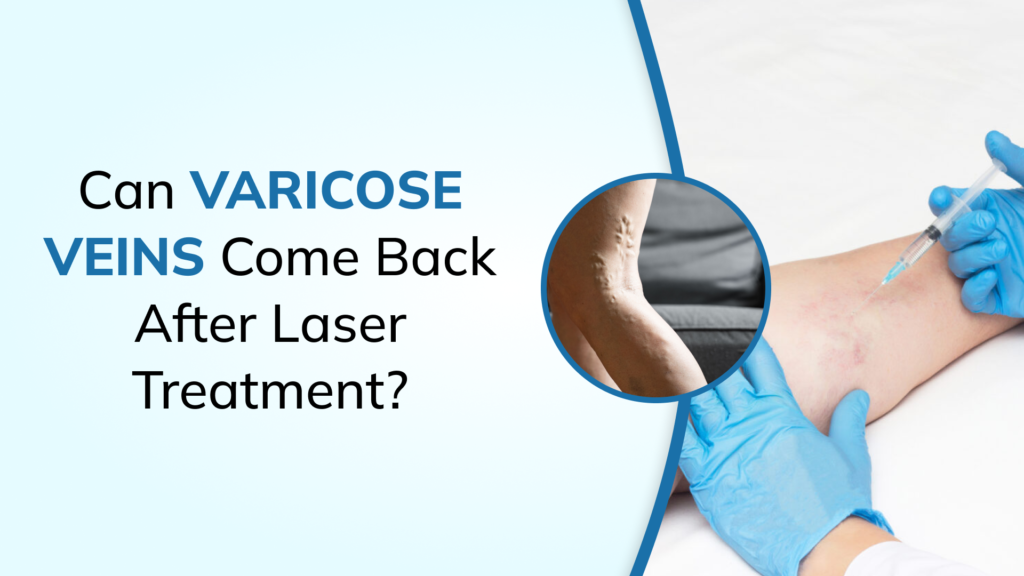
One of the most common questions patients ask after a successful varicose vein procedure is whether the problem can return. It is a reasonable concern, especially for anyone who has already spent months dealing with swollen, aching, or visibly twisted veins before finally deciding to seek treatment. The honest, medically accurate answer is yes — varicose veins can recur after laser treatment, but understanding why they come back, how likely that is, and what can be done about it gives patients a far more realistic picture of what long-term vein health actually looks like.
If you are currently evaluating your options or have already undergone a procedure and are noticing new symptoms, consulting a Varicose Veins Doctor In Delhi with specialised training in endovascular techniques is the most important step you can take before drawing any conclusions about recurrence.
How Laser Treatment Works and Why It Generally Succeeds
Endovenous Laser Ablation (EVLA), commonly referred to as laser treatment for varicose veins, works by delivering concentrated laser energy inside the affected vein through a thin optical fibre. This energy heats the vein wall, causing it to seal shut and eventually be reabsorbed by the body. The procedure eliminates the specific diseased vein being treated with a high degree of precision, leaving surrounding tissue largely unaffected. Most patients experience a dramatic reduction in visible veins, swelling, and discomfort within weeks of treatment.
Modern laser techniques, in the hands of a skilled Best Vascular Surgeon In Delhi, achieve closure rates above 95 percent in the treated vein, making EVLA one of the most effective minimally invasive vein treatments currently available. The treated vein itself almost never reopens once correctly ablated.
So Why Do Varicose Veins Sometimes Come Back?
Recurrence after varicose vein treatment is a well-documented phenomenon in vascular medicine, and it is important to understand that it usually does not mean the original laser treatment failed. The underlying cause of varicose veins is chronic venous insufficiency — a condition where the one-way valves inside leg veins weaken or fail, allowing blood to pool and veins to enlarge under backward pressure. Laser treatment eliminates the specific vein contributing to the problem at the time of the procedure, but it does not cure the underlying tendency of the venous system to develop new valve failures over time.
In practical terms, this means that even a perfectly performed procedure eliminates one diseased pathway, while nearby veins may develop their own insufficiency months or years later due to the same underlying venous pressure that caused the original problem. This type of recurrence, known as neovascularisation or progression of disease, is the most common mechanism behind varicose vein return after laser treatment.
The Main Reasons Varicose Veins Recur After Treatment
1. Neovascularisation — New Vein Formation
After a vein is ablated, the body sometimes responds by growing new, small vessels around the treated site. These new vessels, originally formed to compensate for the lost pathway, can enlarge over time and eventually themselves become varicose. Neovascularisation is more common after conventional surgical stripping than after laser treatment, which is one of the reasons EVLA has become the preferred approach for primary varicose vein disease.
2. Pre-Existing Tributaries Not Treated Initially
Varicose veins often exist as a network of interconnected vessels. If only the main trunk was treated during the initial procedure while smaller tributary veins were left, those tributaries may enlarge over subsequent months as venous pressure redistributes through them. A thorough pre-treatment ultrasound mapping of the entire venous system helps identify and plan treatment for all significant tributaries at the outset, reducing this risk considerably.
3. Progression of Underlying Venous Insufficiency
For patients with a strong family history of varicose veins, a sedentary occupation involving prolonged standing or sitting, obesity, or a history of multiple pregnancies, the venous system remains predisposed to developing new insufficiency even after a successful procedure. This is not a treatment failure — it is disease progression in a system that was always vulnerable. Understanding whether poor circulation might be contributing to a broader venous problem can help patients and doctors plan a more comprehensive, long-term management strategy.
4. Incomplete Initial Treatment
Occasionally, inadequate laser energy application during the initial procedure results in incomplete closure of the treated vein, which can partially reopen over time. This is why post-procedure duplex ultrasound assessment is essential — it confirms complete closure and identifies any segment that may require a supplemental treatment before symptoms return.
How to Tell If Your Symptoms Represent True Recurrence
Not every new discomfort or visible vein after treatment represents varicose vein recurrence. Normal post-procedure bruising, inflammation, and even new surface appearances during the healing phase can look alarming but are part of the expected recovery process. True recurrence typically manifests as visibly enlarged, ropey veins at the same or nearby location, often accompanied by returning symptoms such as heaviness, aching, or swelling — particularly after prolonged standing.
A duplex ultrasound scan performed by a Best Endovascular Surgeon In Delhi is the definitive way to distinguish between a normal healing response, benign surface telangiectasia (thread veins), and genuine recurrent venous insufficiency that warrants re-treatment.
Factors That Increase Recurrence Risk
- Strong family history of varicose veins or venous insufficiency.
- Occupations requiring prolonged standing — teachers, retail workers, surgeons, factory workers.
- Multiple pregnancies, which significantly increase venous pressure in the legs.
- Obesity, which increases intra-abdominal pressure and reduces venous return efficiency.
- Failure to wear compression stockings during the recommended post-treatment period.
- Sedentary lifestyle with minimal daily walking or lower limb activity.
- Incomplete treatment of tributary veins during the original procedure.
What You Can Do to Reduce the Risk of Recurrence
While it is impossible to guarantee that varicose veins will never return, evidence-based lifestyle modifications and consistent follow-up significantly reduce recurrence risk:
- Wearing graduated compression stockings as directed, particularly during long periods of standing or travel.
- Maintaining a healthy body weight to reduce lower limb venous pressure.
- Walking regularly — even short, frequent walks break the cycle of venous pooling that promotes disease progression.
- Elevating the legs above heart level for short periods during the day when prolonged standing is unavoidable.
- Attending scheduled post-treatment ultrasound follow-up sessions so any early tributary progression is identified before it becomes symptomatic.
The Role of Post-Treatment Surveillance in Preventing Recurrence
One of the most underutilised tools in preventing varicose vein recurrence is scheduled duplex ultrasound follow-up after treatment. Many patients, once their visible veins have disappeared and their symptoms resolved, assume the problem is permanently solved and never return for a follow-up scan. This is understandable but counterproductive. Post-treatment ultrasound, typically at six weeks, six months, and annually thereafter, allows a Varicose Veins Doctor In Delhi to detect early tributary disease or neovascularisation long before it becomes symptomatic — at a stage when a simple, targeted foam sclerotherapy session can address the problem in minutes rather than requiring a repeat major procedure.
Think of it this way: laser treatment eliminates the diseased highway, but the side roads of your venous system continue to age and experience pressure. Surveillance keeps a map of those side roads updated, so that any detour that starts developing abnormally can be closed early rather than left to enlarge into the next main problem.
Lifestyle Habits That Genuinely Slow Disease Progression
While no lifestyle change reverses venous valve dysfunction that already exists, several habits have clear evidence for slowing its progression and reducing the symptomatic burden of both treated and untreated venous disease:
- Elevating the foot of the bed by approximately 15 cm so the legs drain by gravity during sleep, reducing overnight pooling.
- Taking short walking breaks every 30 to 45 minutes during prolonged desk work or standing shifts — even two minutes of calf muscle pumping significantly improves venous return.
- Swimming and cycling, which promote venous return without the high-impact loading that can worsen vein wall tension.
- Avoiding prolonged hot baths and hot yoga environments, which cause venous dilation and temporarily worsen symptoms.
- Maintaining adequate hydration to reduce blood viscosity, which in turn reduces the tendency of blood to pool and clot in insufficient venous segments.
When Is Re-Treatment Appropriate?
Symptomatic recurrence with confirmed venous reflux on duplex ultrasound is a clear indication for re-treatment. Modern endovascular options, including repeat laser ablation, foam sclerotherapy for smaller tributaries, and ultrasound-guided foam injection for recurrent perforator veins, all remain viable options for recurrent disease. The specific approach depends on the anatomy of the recurrence, which is why assessment by an experienced Endovascular Surgeon In Delhi is essential before any re-treatment decision is made.
It is also worth understanding how vascular and endovascular specialists differ from general surgeons in their approach to recurrent vein disease — our patient guide on which doctor to consult for leg pain, swelling, or blocked arteries explains the distinction in practical terms that help patients navigate the right referral pathway.
Frequently Asked Questions
How common is varicose vein recurrence after laser treatment?
Studies report recurrence rates of approximately 15 to 20 percent over five years after laser ablation, primarily due to disease progression in adjacent veins rather than failure of the treated segment itself.
Can the same vein that was laser treated grow back?
The ablated vein itself almost never reopens once correctly treated. New varicose veins at the same site most commonly represent tributaries that were not treated initially or new vessel formation around the treated area.
How soon can recurrence appear after laser treatment?
Early recurrence, typically from untreated tributaries, can appear within six to twelve months. Later recurrence from disease progression in adjacent veins is more common at two to five years post-procedure.
Is re-treatment for recurrent varicose veins as effective as initial treatment?
Yes, in most cases. Re-treatment with appropriate endovascular techniques is generally effective for recurrent disease, though the anatomy may be more complex than the original presentation, making specialist assessment important.
Do compression stockings actually prevent recurrence?
Compression stockings do not prevent neovascularisation, but they significantly reduce symptoms, slow disease progression in untreated tributaries, and lower the venous pressure environment that promotes new varicose vein development.
Should I avoid surgery if I am worried about recurrence?
Concern about recurrence should not deter patients from treatment for symptomatic varicose veins. Untreated venous insufficiency carries its own significant risks, including skin changes, ulceration, and deep vein complications, all of which are more serious than the possibility of future recurrence.
Conclusion
Varicose veins can return after laser treatment, but this reflects the chronic, progressive nature of venous insufficiency rather than a failure of the procedure itself. With the right follow-up, lifestyle adjustments, and early identification of new disease, the vast majority of patients maintain excellent long-term results and quality of life after endovascular treatment. The key is choosing a specialist with the ultrasound-guided assessment skills to map, treat, and monitor the entire venous system over time, not just the most visible vein at the time of the initial consultation.
Take the Next Step Towards Lasting Vein Health
If you are experiencing returning symptoms or visible veins after a previous procedure, consult our expert varicose veins team in Delhi for a comprehensive duplex ultrasound reassessment and personalised re-treatment plan. View our procedure gallery to see the outcomes our patients have achieved.