
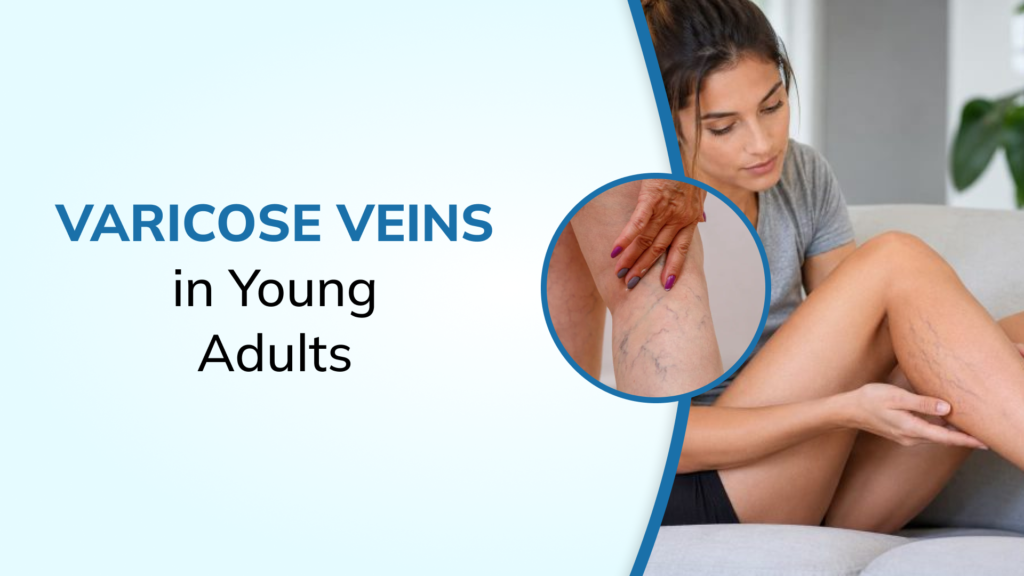
Varicose veins are often thought of as a condition that only affects older adults, but a growing number of people in their twenties and thirties are seeking care at Best Vascular Surgeon Delhi for early vein symptoms. Modern lifestyle factors, genetics, and career demands mean that varicose veins are no longer exclusively an age-related concern, and young adults should understand their own risk factors.
Why Varicose Veins Are Appearing Earlier in Life
The primary cause of varicose veins is the malfunction of tiny valves inside the leg veins that normally prevent blood from flowing backward. While this valve weakening is more common with age, several modern lifestyle patterns are accelerating its onset in younger people, prompting many to consult a varicose vein doctor far earlier than previous generations did.
The Role of Genetics in Early Onset
Family history plays a substantial role in determining who develops varicose veins and at what age. If a parent or grandparent had visible varicose veins, the likelihood of developing them significantly increases, sometimes appearing as early as the mid-twenties. Genetic predisposition affects the structural strength of vein walls and valves, meaning some young adults are simply born with a higher baseline risk regardless of lifestyle.
Lifestyle Factors Contributing to Early Varicose Veins
Sedentary desk jobs, long hours of sitting with legs crossed, prolonged standing in service industry roles, and reduced physical activity all contribute to poor circulation in young adults. Additionally, rising rates of obesity and hormonal contraceptive use have been linked to increased venous pressure, both of which can accelerate valve damage well before middle age.
Pregnancy and Hormonal Influences
Many young women first notice varicose veins during pregnancy, when increased blood volume and hormonal changes place additional pressure on leg veins. While pregnancy-related varicose veins often improve after delivery, they can also signal an underlying predisposition that may resurface later in life if not monitored properly.
Distinguishing Varicose Veins from Other Vascular Conditions
Young adults experiencing sudden leg swelling or pain should be aware that not all vein symptoms are varicose veins. Sudden onset symptoms, especially after long flights or periods of immobility, can sometimes indicate more urgent conditions such as deep vein thrombosis, which requires immediate medical evaluation rather than routine vein monitoring.
Why Early Diagnosis Matters for Young Patients
Catching venous insufficiency early in life allows for far more conservative and minimally invasive treatment options. Young adults who seek evaluation at the first sign of symptoms, such as visible spider veins or evening leg fatigue, often avoid the more advanced disease progression seen in patients who ignore symptoms for decades.
Prevention Strategies for Your 20s and 30s
Regular exercise, particularly activities that engage the calf muscles like walking, cycling, and swimming, supports healthy venous return. Avoiding prolonged sitting or standing without breaks, maintaining a healthy body weight, and wearing compression stockings during long travel or work shifts are all effective preventive measures for young adults with a family history of vein disease.
Special Considerations for Young Adults with Diabetes
Young adults managing type 1 or early type 2 diabetes should be particularly mindful of circulatory health, as impaired circulation can affect both vein function and foot health simultaneously. Coordinated care between a vein specialist and a diabetic foot surgeon can help manage risk from an early age rather than waiting for complications to develop.
When to See a Vascular Surgeon in Your 20s or 30s
If you notice persistent leg heaviness, visible veins, itching, or swelling despite being young and active, it is worth scheduling an evaluation rather than assuming these symptoms are unrelated to vein health. A venous Doppler ultrasound can quickly clarify whether early intervention is needed, potentially preventing decades of progressive symptoms.
What Happens If Early Varicose Veins Are Left Untreated
Although rare in young adults, chronic untreated venous disease can eventually lead to skin changes and, in extreme neglected cases, tissue complications requiring the expertise of a gangrene specialist. Starting preventive care early significantly reduces the likelihood of ever reaching this stage.
Conclusion
Varicose veins are no longer just a concern for later life. Genetics, lifestyle, and modern work patterns mean young adults should pay attention to early symptoms and seek guidance proactively. To learn more about evaluation and prevention options tailored to younger patients, visit the About Us page and book a consultation today.