
If your doctor has recommended a venous Doppler ultrasound to evaluate leg pain, swelling, or visible veins, it is natural to feel a little uncertain about what the test involves. At Best Vascular Surgeon Delhi, this painless and non-invasive scan is one of the most commonly performed diagnostic tools, and understanding the process beforehand can help ease any first-time nerves.
What Is a Venous Doppler Ultrasound?
A venous Doppler ultrasound is an imaging test that uses sound waves to visualise blood flow through the veins in your legs. It allows a vascular surgeon to see exactly how blood is moving, identify any areas where valves are failing, and detect whether blood is pooling or flowing backward, a condition known as venous reflux.
Why This Test Is Recommended
This scan is typically ordered when a patient presents with symptoms such as visible varicose veins, chronic leg swelling, unexplained itching, or aching that worsens through the day. It is also the standard test used to rule out or confirm suspected deep vein thrombosis when sudden swelling or pain raises concern about a blood clot.
How to Prepare for Your Appointment
Preparation for a venous Doppler ultrasound is minimal. Patients are generally advised to wear loose, comfortable clothing that allows easy access to the legs, avoid applying lotion to the legs on the day of the test, and stay well hydrated beforehand, as good hydration can make blood flow easier to visualise on the scan.
What to Expect When You Arrive
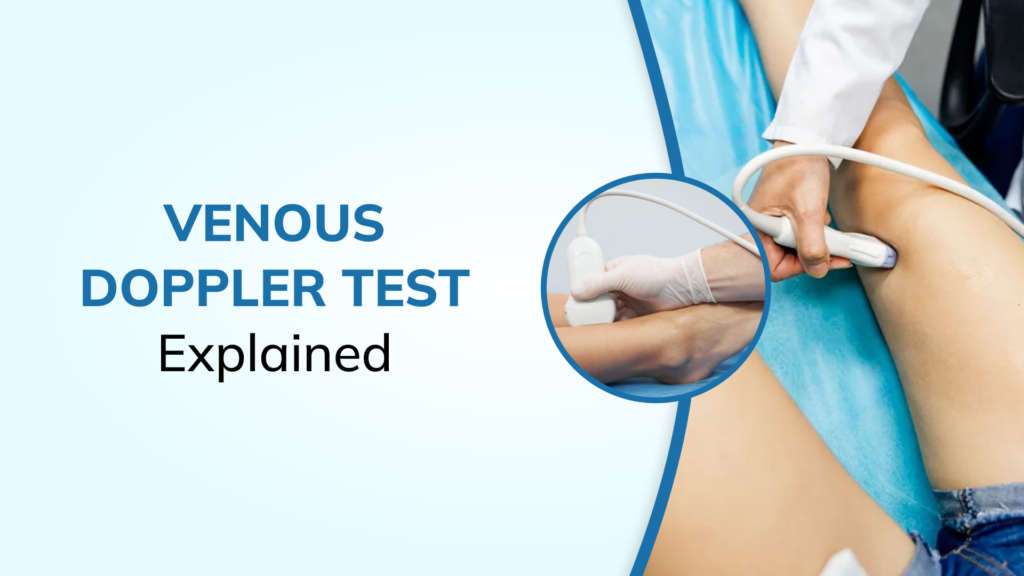
Upon arrival, you will be asked to lie down on an examination table, and the technician or vascular specialist will apply a small amount of gel to your leg. This gel helps the ultrasound probe glide smoothly and ensures clear sound wave transmission. You may be asked to stand or shift positions at certain points, since gravity affects venous blood flow and standing helps reveal reflux that might not appear while lying flat.
During the Procedure
The technician will move a handheld probe along different sections of your leg, from the groin down to the ankle, pausing at key points to record blood flow patterns. You may hear whooshing sounds through a speaker, which represent the blood moving through your veins. The entire process is painless, involves no needles or radiation, and typically takes between thirty and forty-five minutes depending on how many areas need to be examined.
Why Movement and Compression Are Sometimes Used
At certain points, the technician may gently compress your calf or ask you to perform a small movement, such as flexing your foot. This helps assess how well your vein valves respond under pressure and can reveal subtle reflux that might not be visible with the leg completely still.
Understanding Your Results
Once the scan is complete, your vascular surgeon will review the images and flow patterns to determine whether venous insufficiency is present, how severe it is, and which veins are affected. This information directly shapes your treatment plan, whether that involves compression therapy, lifestyle changes, or a minimally invasive procedure to close off the malfunctioning vein.
What Happens If the Scan Shows Additional Concerns
In some cases, a Doppler ultrasound may reveal circulatory issues beyond varicose veins, particularly in patients with diabetes or other risk factors. When this happens, your care may involve a coordinated referral to a diabetic foot surgeon to ensure all aspects of your circulatory health are properly managed together.
Is the Test Safe for Everyone?
Venous Doppler ultrasound is considered extremely safe, non-invasive, and free of radiation, making it suitable for nearly all patients, including those who are pregnant or managing other health conditions. There are no significant risks associated with the procedure, which is part of why it remains the gold-standard first step in diagnosing vein disorders.
When Urgent Follow-Up Is Needed
If your ultrasound reveals significant blockage, severe reflux, or evidence of advanced tissue changes, your surgeon may recommend prompt treatment to prevent further complications, including in rare advanced cases the kind of specialised wound care provided by a gangrene specialist. Early diagnosis through this scan is precisely what helps most patients avoid ever reaching that stage.
Conclusion
A venous Doppler ultrasound is a quick, painless, and highly informative test that gives your vascular surgeon a clear picture of your vein health. Understanding what to expect can make the experience far less intimidating for first-time patients. To schedule your ultrasound or learn more about the diagnostic process, visit the About Us page and book your consultation today.